
Resources
Trusted Links
Evidence-based organizations, screening tools, and experts I recommend for certification, readiness, body composition, and nutrition.
National Strength and Conditioning Association (NSCA)
I have been certified through the NSCA as a personal trainer since 2018. In my opinion, they are the gold standard certification for personal trainers, and provide some of the best strength training research through their peer reviewed journal—The Journal of Strength and Conditioning Research. Check out their website to learn more!
Visit NSCA
PAR-Q+ (Pre-Participation Screening)
A health questionnaire that helps you understand how ready you are for physical activity and whether you should consult your doctor before starting or increasing training. It’s the international standard for pre-participation screening and reduces barriers to safe, informed movement.
Visit PAR-Q+
Ways to Measure Body Fat (Healthline)
A clear overview of the main methods used to estimate body fat—from skinfold calipers and circumference equations to DXA, hydrostatic weighing, BIA, and more. Helps you understand accuracy, cost, and what’s realistic to use at home vs. in a clinic.
Read the article
Dr. Stacy Sims
Dr. Stacy Sims specializes in research on women’s health and physical training across the lifespan. Her work helps active women and their supporters understand how to work with female physiology—from the teen years through midlife and beyond.
Visit Dr. Stacy Sims
Perform with Dr. Andy Galpin
Dr. Andy Galpin is a physiologist who hosts an excellent podcast on human performance. It covers a wide range of evidence-based topics—recovery, nutrition, strength, endurance, and more—in a way that’s accessible and practical.
Visit Perform podcast
Dr. Rhonda Patrick (FoundMyFitness)
Dr. Rhonda Patrick is a researcher who focuses on longevity and nutrition. She translates complex science into actionable information through her site, podcast, and videos—a great resource for anyone who wants to go deeper into the science of the body, aging, and diet.
Visit FoundMyFitness
Nutrition for Older Adults (NIA)
The National Institute on Aging offers practical, evidence-based information on healthy eating and nutrition for older adults—including how to choose foods, stay hydrated, and adapt nutrition as we age. A solid, accessible starting point for this population.
Visit NIA nutrition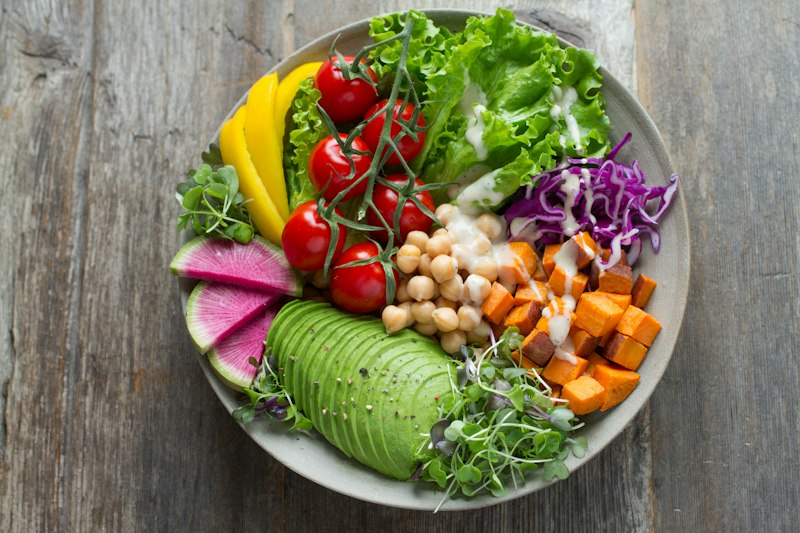
Ayurvedic Food Guidelines
From the Ayurvedic Institute: food guidelines for balancing Vata, Pitta, and Kapha. A useful resource if you’re curious about eating according to Ayurvedic principles—with charts and guidance on fruits, vegetables, grains, legumes, dairy, and more.
Visit Ayurvedic food guidelines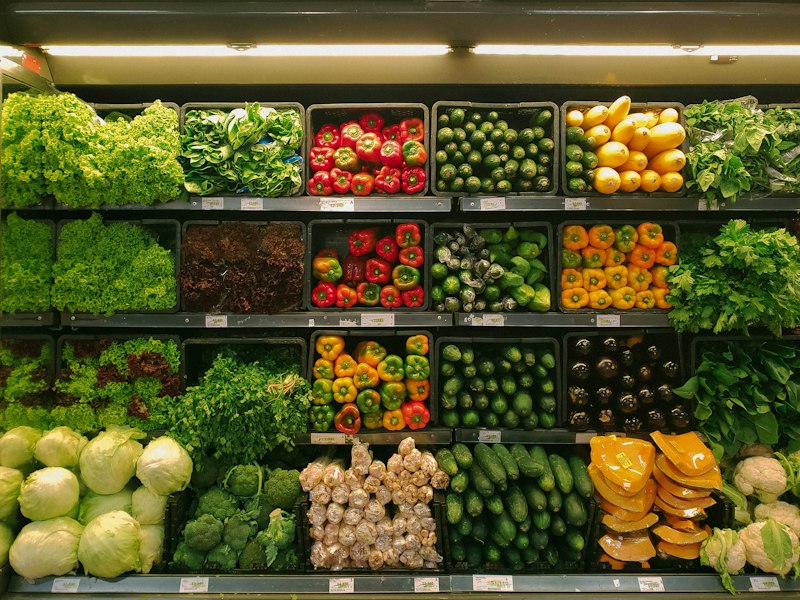
USDA Dietary Guidelines for Americans
The official federal recommendations for healthy eating, nutrient needs, food groups, and practical guidance for the general public. A go-to reference for evidence-based dietary advice in the U.S.
Visit Dietary GuidelinesLet’s talk about your goals and how these resources might support your training.